Psychotheraphy online in english and polish
How do I know what approach I need?
Choosing the right approach depends on your unique challenges and goals. During our initial consultation, we’ll discuss your concerns, symptoms, and personal preferences. Based on this, I’ll recommend a tailored therapy plan, whether it’s CBT, Schema Therapy, EMDR, or a combination, to best support your mental health and well-being.
Schema therapy
Schema Therapy aims to meet clients’ unmet basic needs. The therapeutic relationship, based on the concept of limited parenting, provides the patient with a model of a healthy parent, which the patient learns to internalize during therapy. During therapy, techniques focused on experiencing emotions and cognitive-behavioral techniques are used to break dysfunctional patterns in the patient’s life.

Who is Schema Therapy for?
Schema Therapy is for individuals with:
- Long-term emotional issues
- Recurring destructive behaviors
- Personality disorders
- Childhood trauma
- Chronic feelings of emptiness or rejection
It helps transform unhealthy patterns into adaptive behaviors.
In schema therapy, I regularly do additional courses, learning to help people with:
difficulties in relationships
feeling of emtiness or loneliness
feeling lost
low self-esteem
excessive self-criticism
excessive self and environmental control
ruthlessly high standards
outbursts of anger
mood changes
Cognitive Behavioral Therapy
Cognitive behavioral psychotherapy aims to directly address distressing symptoms, reduce anxiety, re-evaluate thinking, and promote helpful behavioral responses by offering skill-building therapeutic interventions. During CBT therapy, each person learns tools that will allow them to become their own therapist in the future.

Who is CBT for?
CBT is for individuals who:
- Experience anxiety or depression
- Struggle with stress or anger management
- Have negative thought patterns or behaviors
- Want to manage phobias or panic attacks
- Face challenges with low self-esteem
CBT provides practical tools to reshape negative thoughts and improve emotional well-being.
In classic cognitive-behavioral therapy, I use treatment protocols:
social anxiety
depression
specific phobia
anxiety, worry or Post-Traumatic Stress Disorder
self-harm
personality disorders
adaptation difficulties
psychosomatic disorders
eating disorders
I also have extensive experience working with neuroatypical clients who have features of the ADHD and autism/Asperger’s spectrum.
Eye Movement Desensitization and Reprocessing
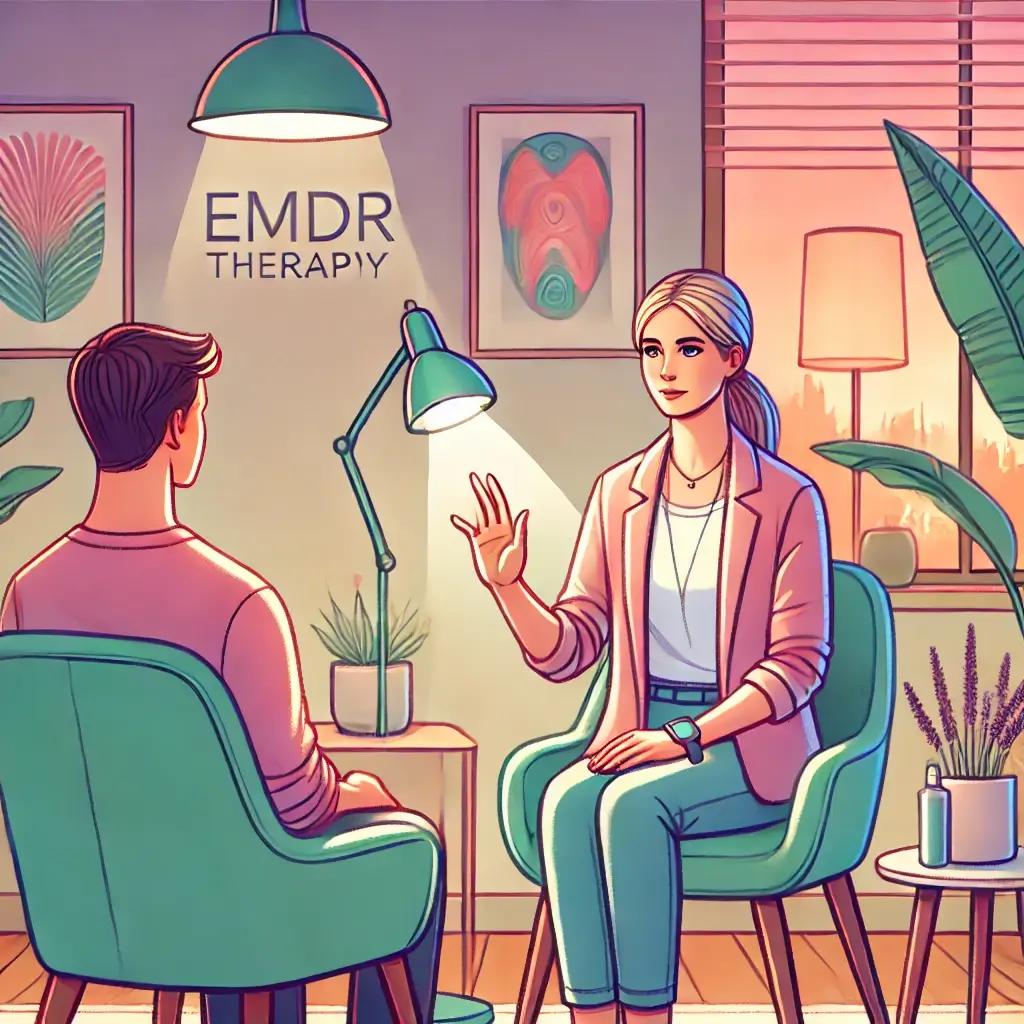
Eye Movement Desensitization and Reprocessing (EMDR) therapy is designed to help individuals process and heal from traumatic experiences by facilitating the brain’s natural healing process. EMDR aims to reduce the emotional distress associated with traumatic memories and promote long-term emotional well-being. During EMDR therapy, individuals work through painful memories while guided by specific eye movements or other forms of bilateral stimulation.
Who is EMDR for?
EMDR is for individuals who:
- Have experienced trauma or Post-Traumatic Stress Disorder (PTSD)
- Struggle with anxiety or panic attacks
- Feel overwhelmed by disturbing memories or flashbacks
- Face challenges with unresolved grief or loss
- Want to improve their emotional regulation and overall well-being
EMDR offers a structured approach to addressing trauma and can help individuals break free from the emotional grip of their past experiences, restoring a sense of calm and control.
EMDR is commonly used to treat the following disorders:
Post-Traumatic Stress Disorder (PTSD)
anxiety disorders
depression
complex trauma
grief and loss
Obsessive-Compulsive Disorder
chronic pain
self-esteem issues
autism spectrum i ADHD
Dialectical Behavior Therapy
Dialectical Behavior Therapy (DBT) is a type of cognitive-behavioral therapy designed to help individuals manage intense emotions, improve relationships, and develop coping strategies. It was originally developed by Dr. Marsha Linehan for individuals with borderline personality disorder (BPD) but is now widely used for various mental health conditions, including depression, anxiety, ADHD, PTSD, and substance use disorders.

Four DBT Modules:
- Mindfulness – Increases awareness of the present moment, teaching non-judgmental observation. Techniques: mindful breathing, grounding, focusing on “here and now.”
- Distress Tolerance – Helps manage crises without harmful behaviors. Techniques: TIPP (temperature, exercise, breathing, relaxation), self-soothing (music, aromatherapy).
- Emotion Regulation – Identifying and changing emotional responses. Strategies: opposite action, reducing vulnerability, labeling emotions accurately.
- Interpersonal Effectiveness – Builds relationships and assertiveness. DEAR MAN (Describe, Express, Assert, Reinforce, Mindful, Appear confident, Negotiate).
DBT fosters emotional stability, better relationships, and resilience.
DBT therapy is commonly used to treat the following disorders:
Borderline
ADHD
self-harm behaviors
anxiety disorders
depression
Post-Traumatic Stress Disorder (PTSD)
Pricing
Therapy session
Take care of your health.
Schedule a therapy session today!
50 minutes: 80€
Frequently Asked Questions
Book your appointment
If you would like to schedule an appointment, click the button below. It will take you to the calendar section, where you can choose any available time for your session. After selecting the date, you will be asked to provide your contact information. Payment is due on the day of the scheduled appointment.